Search the blog
Tabla de contenidos
Preparing for the Inca Trail does not mean training like a professional athlete. What matters most is getting your body used to walking for several hours, climbing and descending on uneven terrain, and repeating that effort over consecutive days.
This is particularly important if you are planning the Classic Inca Trail 4 Days, where the route includes long hiking days, original stone stairways and elevations above 4,000 meters.
A good Inca Trail training plan will not make every climb easy, but it can help you enjoy the scenery and archaeological sites instead of spending the entire trek focused on fatigue.
If you are still wondering whether the route matches your current fitness level, read Inca Trail difficulty first.
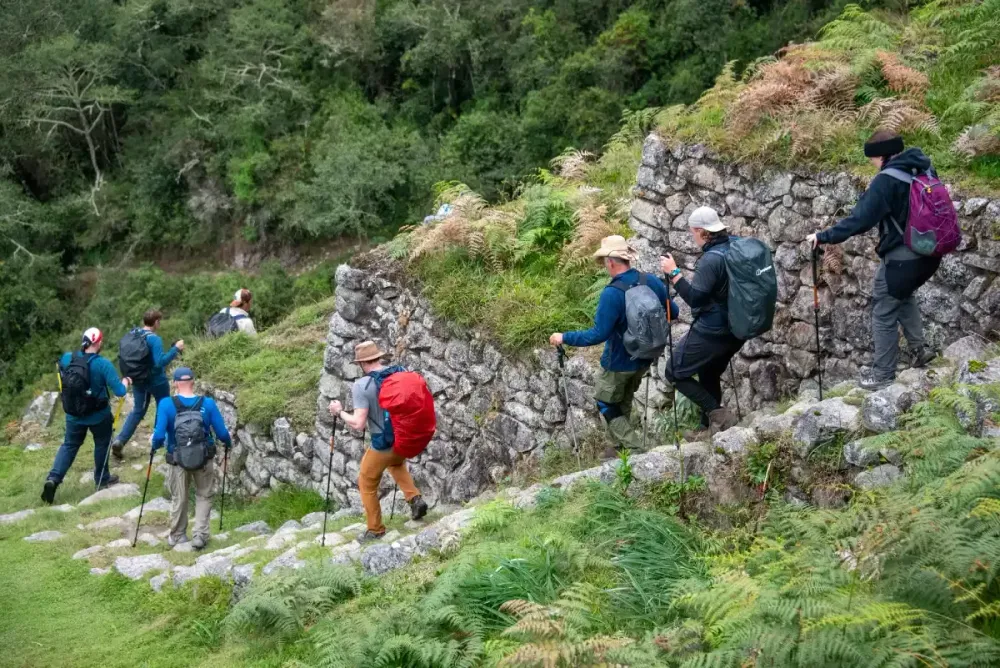
How far in advance should you train for the Inca Trail?
For travelers who already exercise regularly, starting focused preparation around 8 to 12 weeks before the trek is a practical target. Current training guidance for the Inca Trail commonly recommends this range, while travelers starting from a more sedentary lifestyle may benefit from beginning earlier.
The most important principle is progression.
You do not need to go from short daily walks to a five-hour mountain hike overnight. Gradually increase how long you walk, how much elevation you cover and how often you train.
Consistency matters more than one extremely hard workout.
What should you train for the Inca Trail?
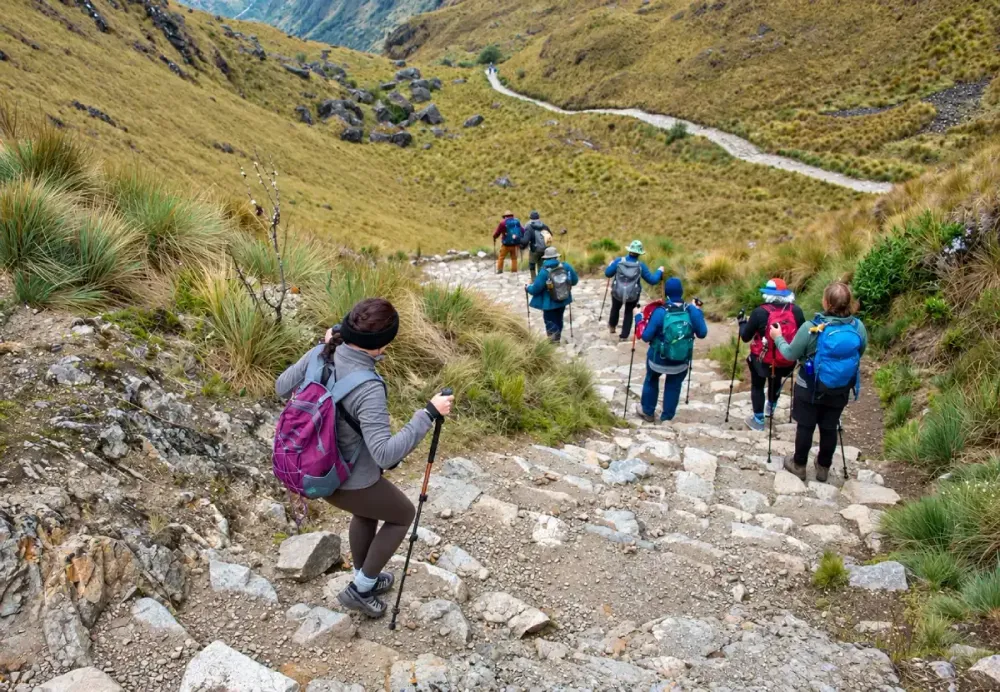
The best training for the Inca Trail should resemble the conditions you will actually encounter.
Running can help your cardiovascular fitness, but running alone does not prepare your legs for hours of stone steps, long descents and uneven mountain paths.
Focus on:
- Long walks and hikes.
- Uphill and downhill terrain.
- Stairs.
- Leg and core strength.
- Moderate cardiovascular exercise.
- Uneven trails when available.
- Back-to-back active days.
- Walking with a light daypack.
Training descents is particularly important. Long downhill sections require your legs to repeatedly control your body weight, which can become tiring after several hours. Current Inca Trail training guidance specifically highlights downhill conditioning, stairs and consecutive hiking days as important parts of preparation.
An 8-week Inca Trail training plan
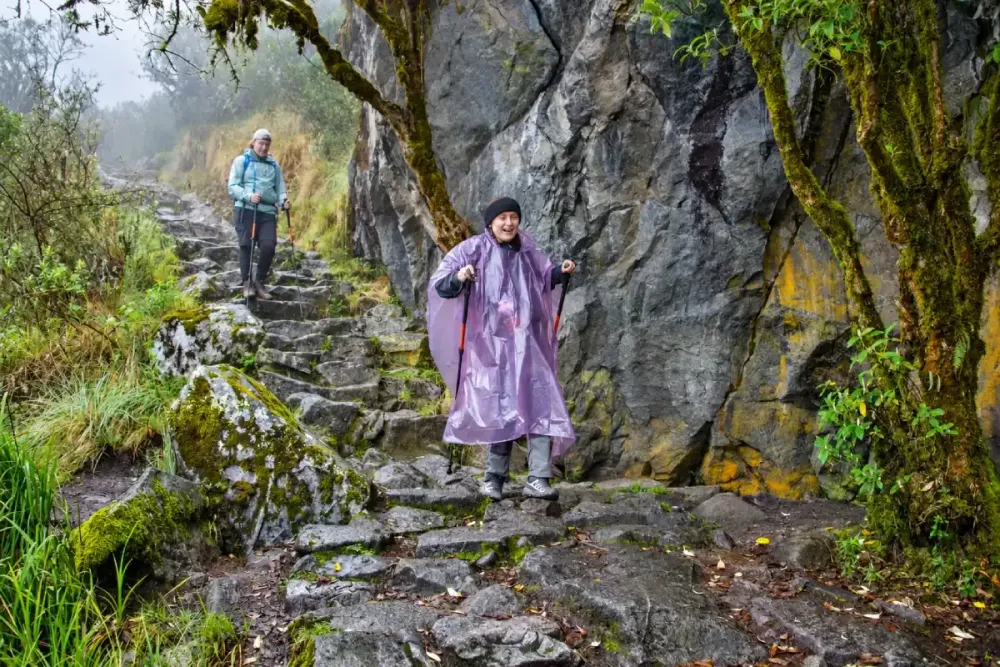
You can use this simple plan as a general reference and adapt it to your current fitness.
Weeks 1 and 2: build your walking base
Start with walks of approximately 45 to 60 minutes several times per week.
Whenever possible, include hills or stairs. The goal at this stage is not exhaustion. You are simply teaching your body to stay active for longer periods.
Add some basic leg and core exercises, but keep the intensity manageable.
Weeks 3 and 4: increase time and elevation
Begin extending some walks to 1.5 or 2 hours and look for routes that include more climbing and descending.
A typical week could include:
- Two or three shorter walks.
- One longer hike.
- One or two basic strength sessions.
- Rest between demanding sessions.
At this stage, Inca Trail fitness preparation should begin to feel more specific to hiking rather than general exercise.
Weeks 5 and 6: train for the real demands of the trail
Now start increasing your time on your feet.
Try to complete a longer hike on weekends, preferably on varied terrain with hills and descents.
You can also train on consecutive days. For example, complete a longer hike one day and a shorter, easier walk the next.
This is useful because on the Classic Inca Trail your legs will not feel completely fresh every morning.
You do not need to reproduce the exact distances of the trek. The objective is to become comfortable moving for several hours and doing it again the following day.
Weeks 7 and 8: consolidate your fitness
During the final weeks, continue with longer walks, stairs and elevation, but avoid suddenly increasing your training volume.
This is not the time to compensate for every session you missed earlier.
As your departure approaches, reduce the intensity slightly so you arrive in Peru rested rather than sore from training.
Your final week should focus more on maintaining fitness than trying to improve it dramatically.
Do not forget to train downhill
Many travelers think how to prepare for the Inca Trail simply means training for steep climbs.
That is only half the story.
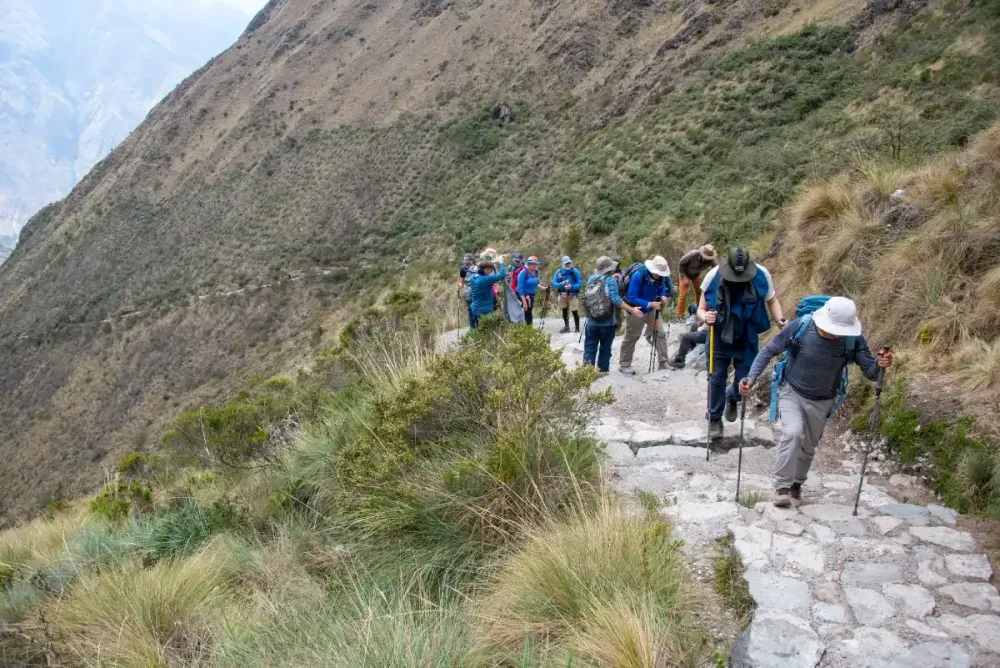
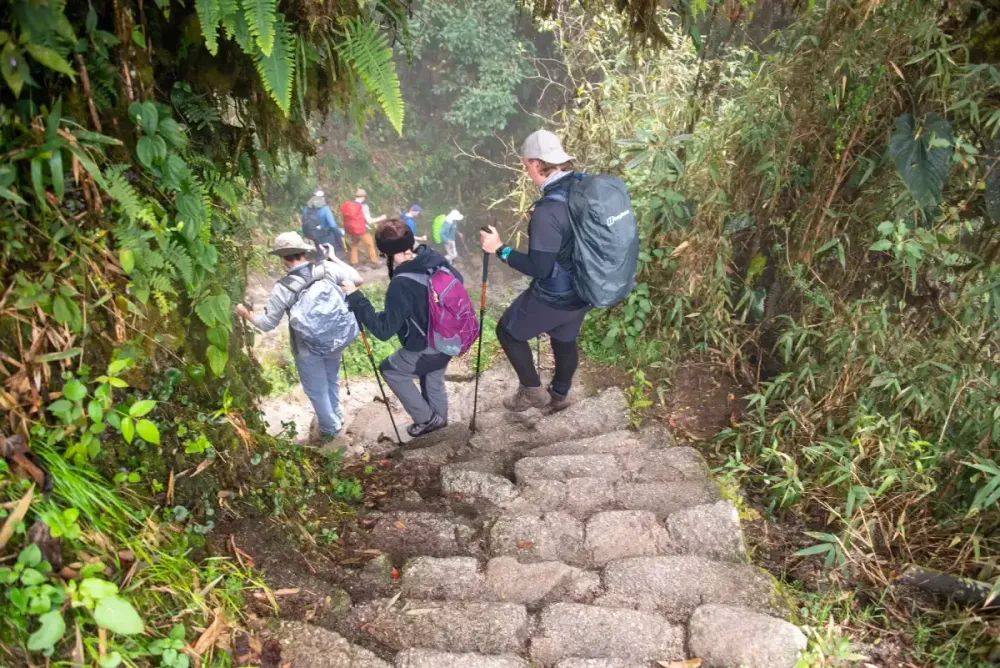
The route contains long descents and many irregular Inca stone stairways. These sections can become surprisingly demanding on the thighs and knees, particularly once fatigue from previous hiking days begins to accumulate.
That is why your preparation should include both climbing and descending.
As we explain in Inca Trail difficulty, Day 3 can still feel demanding even after the highest mountain pass is behind you because the route combines repeated ups and downs, long stone staircases and tired legs from the previous days.
Should you train with a backpack?
Yes, but keep it realistic.
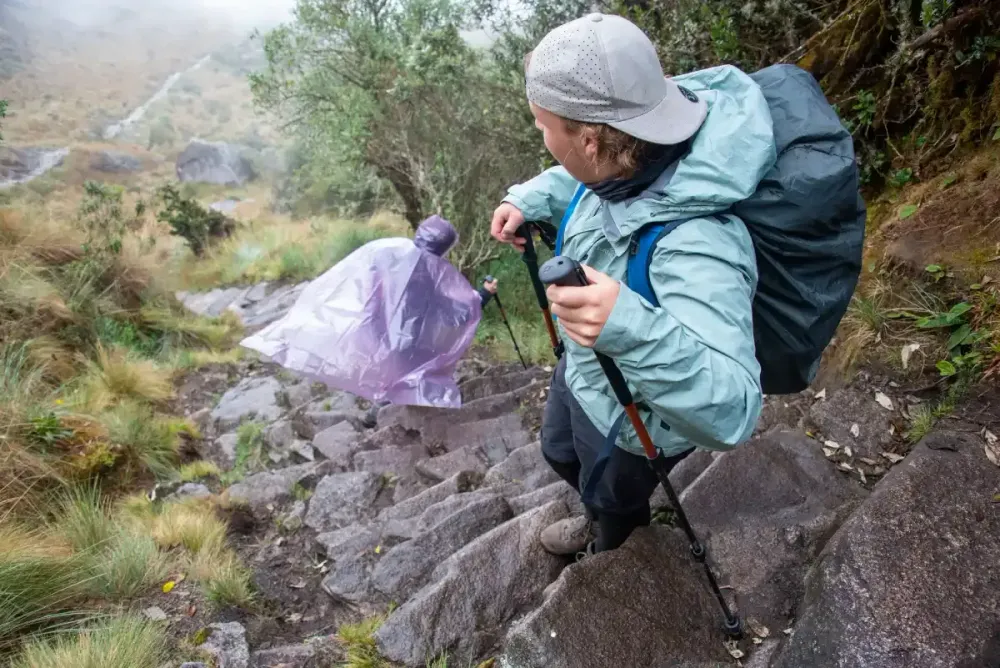
During some training hikes, carry a small daypack with water, a light jacket and a few items similar to what you expect to carry on the trek.
This helps your shoulders, back and posture adjust to walking for several hours with additional weight.
On our Classic Inca Trail 4 Days, your luggage arrangements depend on the services included and porter support, so you should not assume that you will carry all of your equipment throughout the route.
Your training backpack should prepare you for your actual daypack, not turn every practice hike into a heavy-load challenge.
Fitness training and altitude acclimatization are different
This is one of the most important things international travelers should understand.
You can arrive in Peru with excellent fitness and still feel the effects of altitude.
Physical training improves endurance and strength, but it does not make someone immune to altitude-related problems. Current public-health guidance also distinguishes physical fitness from acclimatization.
The Classic Inca Trail reaches approximately 4,200 meters at Warmiwañusca, or Dead Woman's Pass.
For this reason, we recommend allowing your body time to adjust in Cusco or the Sacred Valley before beginning the trek rather than scheduling the Inca Trail immediately after arriving from a low-altitude destination.
You can learn more in Inca Trail altitude.
Can beginners train for the Inca Trail?
Yes.
Previous trekking experience is helpful, but it is not always necessary. A traveler who exercises regularly, follows a gradual Inca Trail training plan and understands the challenges of altitude can prepare successfully for the trek.
If you have never completed a multi-day hike, the Short Inca Trail 2 Days may feel more manageable because it avoids the highest mountain passes and does not require several nights of camping.
The Classic Inca Trail 4 Days requires more endurance because you will walk for several consecutive days and experience greater changes in altitude.
If this is your first major trek, read Inca Trail for beginners before choosing your route.
Common Inca Trail training mistakes
Preparation is also about knowing what not to do.
Avoid:
- Starting intense training only one week before departure.
- Training only by running.
- Ignoring downhill walking and stairs.
- Increasing distance too quickly.
- Wearing brand-new hiking boots on the trek.
- Training extremely hard immediately before traveling.
- Arriving in Cusco and starting the trek without time to acclimatize.
Your hiking shoes should already feel comfortable during long walks before you travel. The Inca Trail is not the place to discover that new boots create blisters after three hours.
How fit do you need to be for the Inca Trail?
You do not need elite athletic fitness.
For most travelers, the ideal fitness level for the Inca Trail means being comfortable walking for several hours, having enough leg strength for repeated climbs and descents, and being able to stay active on consecutive days.
At Dreamy Tours, we believe the goal should never be to walk faster than everyone else. A steady pace, proper energy management and enough preparation usually create a much better trekking experience.
If you have an existing medical condition, injury or concerns about prolonged physical activity at altitude, speak with a qualified healthcare professional before beginning a new training program or high-altitude trek.
Prepare to enjoy the Inca Trail, not just complete it
Good Inca Trail preparation changes the experience.
Building endurance, practicing hills and stairs, strengthening your legs and spending several weeks gradually increasing your hiking time can help you arrive in Peru much more confident.
If you want the complete trekking experience, explore our Classic Inca Trail 4 Days. If you prefer a shorter route, consider the Short Inca Trail 2 Days.
You can also read Inca Trail difficulty, Inca Trail altitude and Inca Trail for beginners to decide which route best matches your experience and fitness level.
Once you have chosen your trek, check Inca Trail availability 2026 and 2027 and start planning your journey to Machu Picchu.
Personal travel advice
Plan your trip with Dreamy Tours
Start a tailored journey with our exclusive tours and custom trips across Peru and other Latin American countries.