Search the blog
Tabla de contenidos
One of the most common questions travelers ask before booking is: how hard is the Inca Trail?
The good news is that you do not need to be an experienced mountaineer or a professional athlete. However, the Inca Trail does require good general fitness, preparation and the ability to walk for several hours on steep and uneven terrain.
Inca Trail difficulty also depends on the route you choose. The 1 Day Inca Trail, Short Inca Trail 2 Days and Classic Inca Trail 4 Days offer very different physical experiences.
Understanding those differences will help you choose the right trek to Machu Picchu.
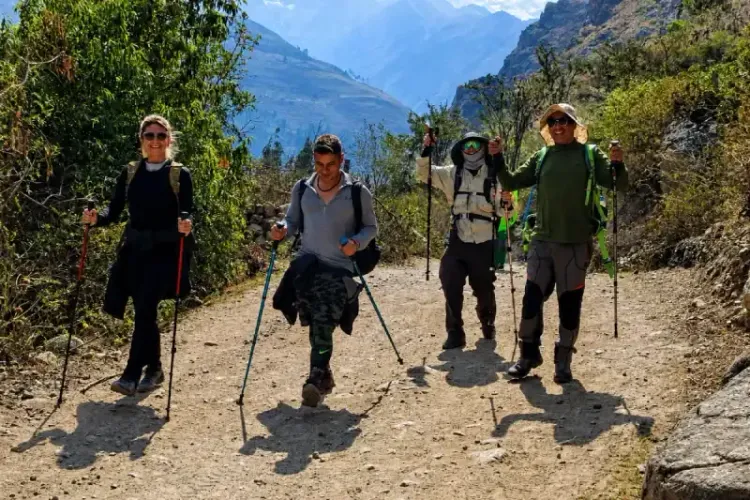
Is the Inca Trail difficult?
The Classic Inca Trail 4 Days is generally considered a moderate to challenging trek. The route does not require technical climbing skills, but altitude, long hiking days, stone steps and repeated ascents and descents make it physically demanding.
At Dreamy Tours, we classify our 4-day route as moderate overall, although Day 2 is the most challenging section of the trek because of the long climb to Dead Woman's Pass and the high altitude. Our current itinerary reaches approximately 4,200 meters at its highest point.
The main challenges include:
- Walking several hours each day.
- Long uphill and downhill sections.
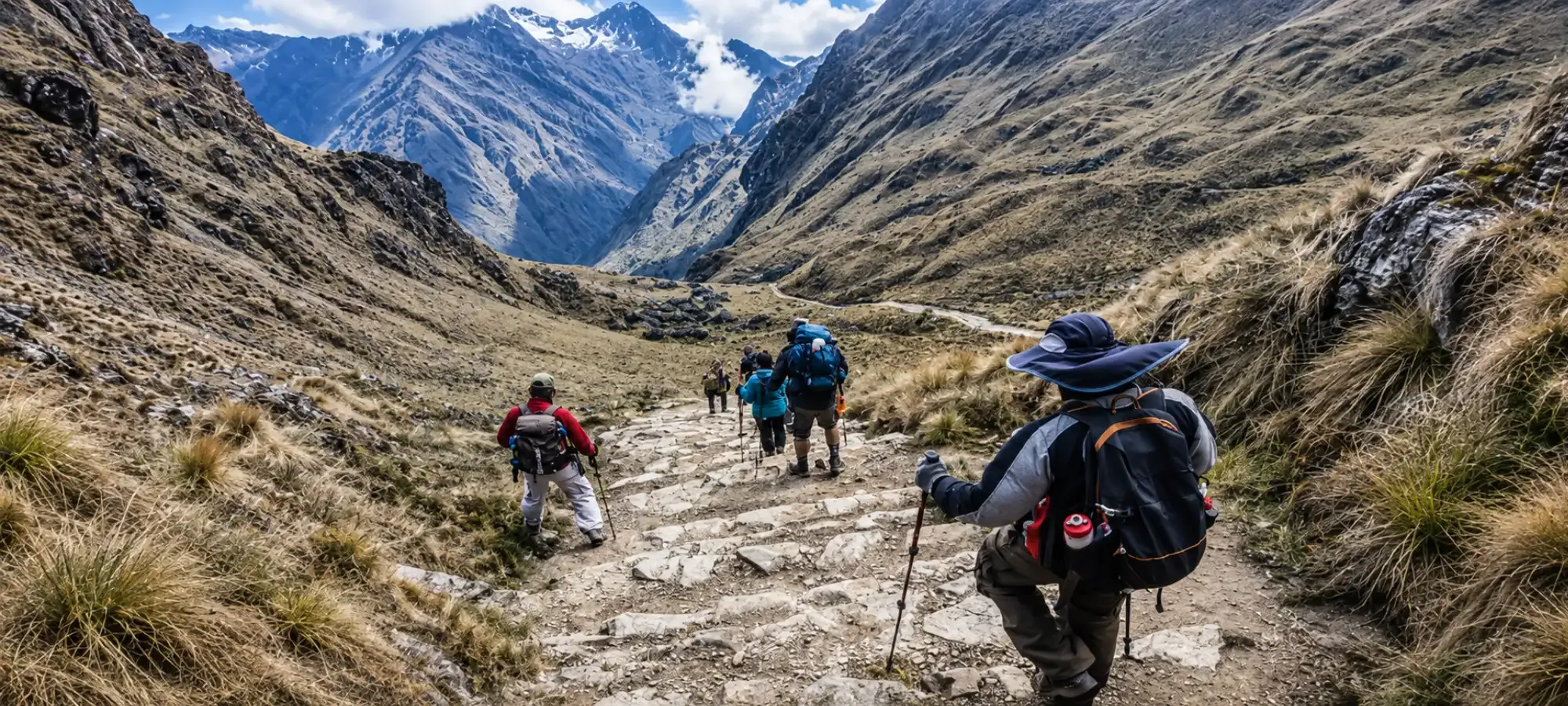
- Uneven original Inca stone steps.
- Hiking above 3,000 meters.
- Changes in weather and temperature.
- Accumulated fatigue over several days.
For an active traveler with reasonable preparation, the trek is achievable. The key is not speed. A steady pace and proper acclimatization are much more important.
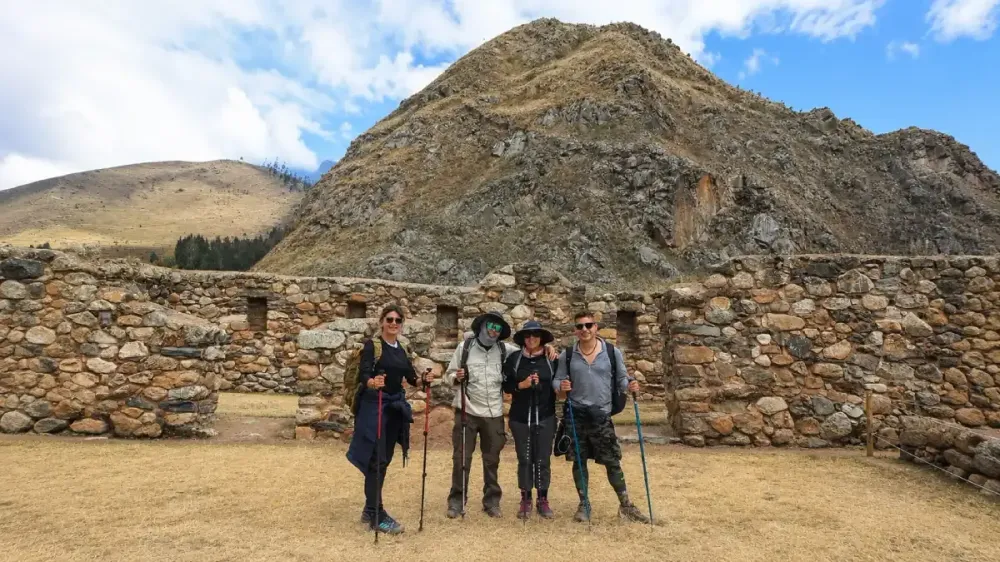
Day 2: the hardest day of the Inca Trail
This is usually the day travelers are referring to when they ask how difficult is the Inca Trail?
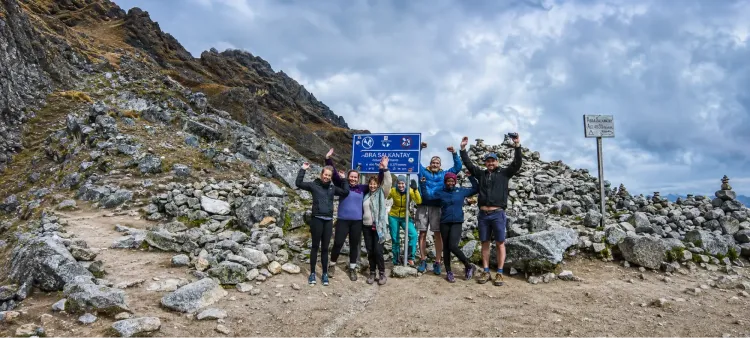
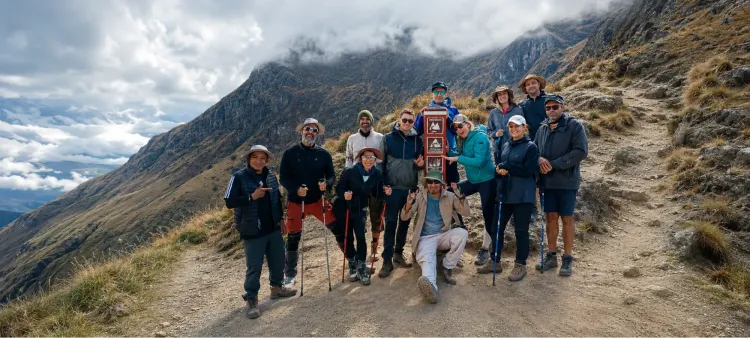
During our itinerary, we hike toward Dead Woman's Pass, or Warmiwañusca, the highest point of the route at approximately 4,200 meters. The day includes around 16 kilometers and 8 to 9 hours of hiking.
The main challenge is the combination of a long uphill climb and high altitude. Even travelers with good fitness may notice that they need to slow down as elevation increases.
There is no benefit in racing to the top. Walking at your own pace, taking short breaks and managing your energy makes this section much more manageable.
Approximate difficulty: challenging.
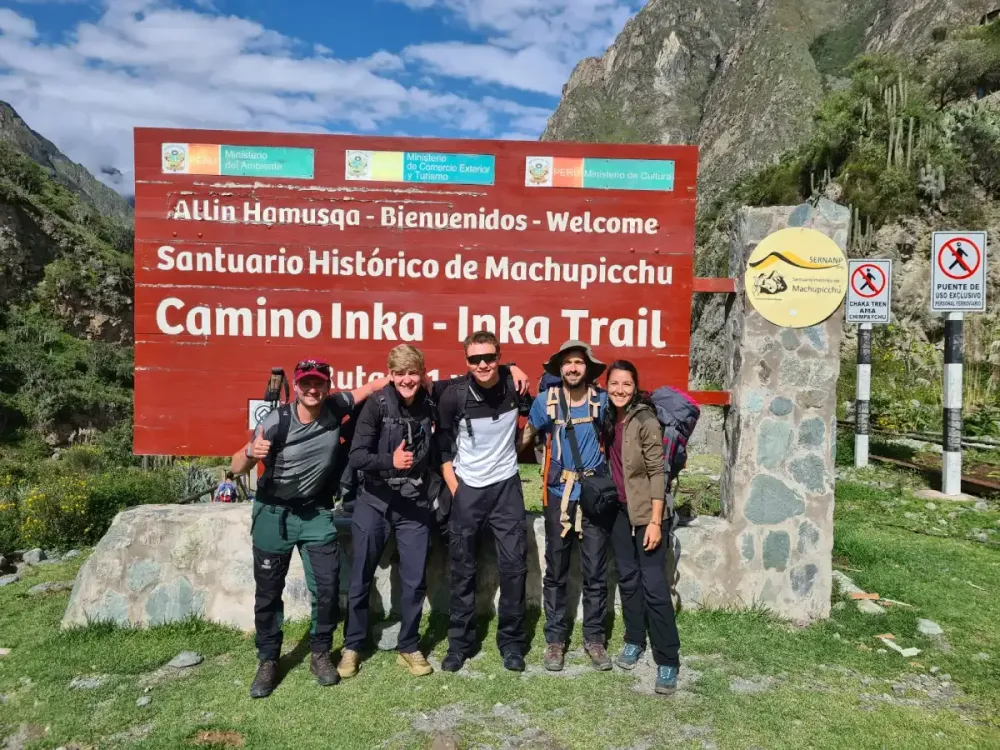
Day 2: the hardest day of the Inca Trail
This is usually the day travelers are referring to when they ask how difficult is the Inca Trail?
During our itinerary, we hike toward Dead Woman's Pass, or Warmiwañusca, the highest point of the route at approximately 4,200 meters. The day includes around 16 kilometers and 8 to 9 hours of hiking.
The main challenge is the combination of a long uphill climb and high altitude. Even travelers with good fitness may notice that they need to slow down as elevation increases.
There is no benefit in racing to the top. Walking at your own pace, taking short breaks and managing your energy makes this section much more manageable.
Approximate difficulty: challenging.
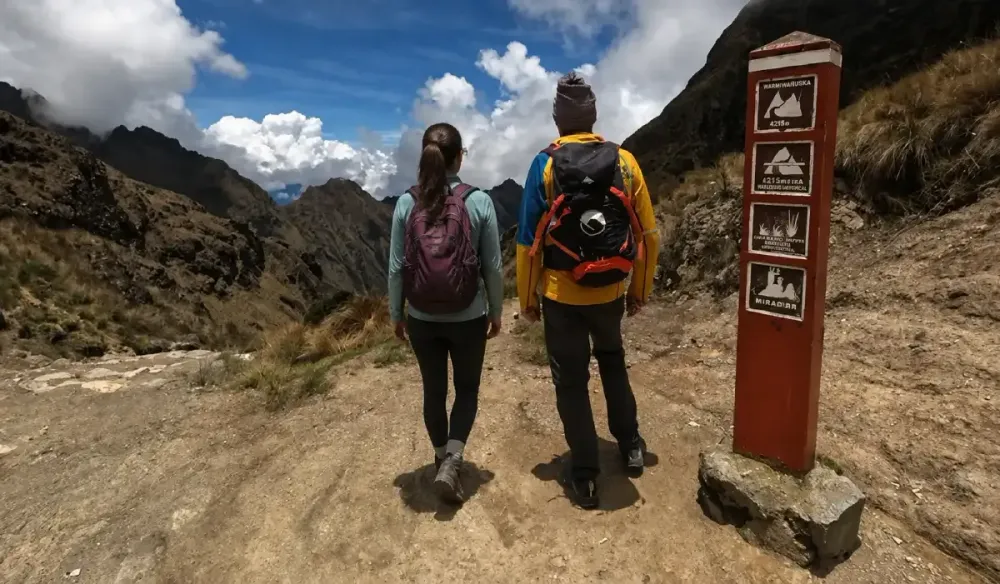
Day 3: lower altitude, but your legs keep working
Although the highest point of the Inca Trail is already behind you, Day 3 still requires plenty of effort.
The route includes several ups and downs as well as long sections of original Inca stone stairways. These descents can be surprisingly tiring, especially after two previous days of hiking.
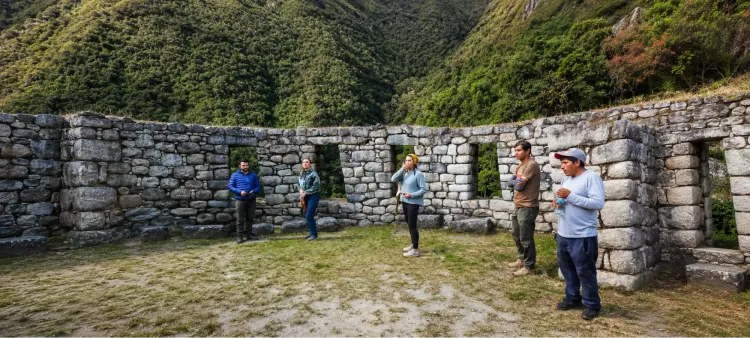
On our route, this day covers approximately 10 kilometers in 5 to 6 hours and passes through cloud forest, ancient stone paths and archaeological sites such as Phuyupatamarca and Wiñay Wayna.
The challenge here is not extreme altitude. It is the combination of uneven steps, repeated descents and tired legs.
Approximate difficulty: moderate.
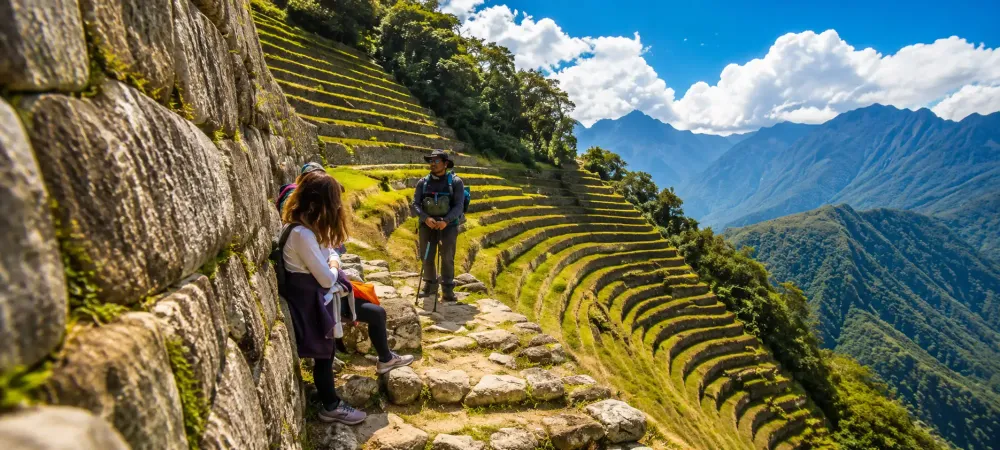
Day 4: the final approach to Machu Picchu
The last day is considerably shorter.
From Wiñay Wayna, the trail continues toward Inti Punku, the Sun Gate, before descending toward Machu Picchu.
Our final trekking section is approximately 5 kilometers and usually takes around 2 to 3 hours.
Physically, it is easier than the previous days, although your legs may still feel the accumulated effort of the trek.
Approximate difficulty: easy to moderate.
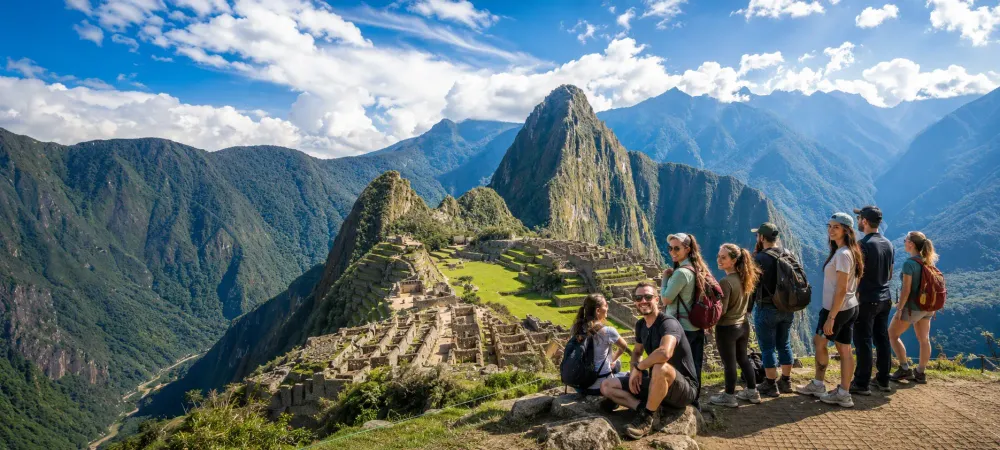
How hard is the Short Inca Trail 2 Days?
The Short Inca Trail difficulty is lower than the classic four-day route, but it should not be considered an effortless walk.
The route begins at Km 104 and climbs toward Wiñay Wayna before continuing to the Sun Gate and Machu Picchu.
Unlike the Classic Inca Trail, the short route avoids Dead Woman's Pass and the highest sections of the four-day trek. Travelers also sleep in a hotel in Aguas Calientes rather than camping on the trail.
The Short Inca Trail 2 Days can be a better choice if you:
- Want to hike the original Inca Trail.
- Have limited time in Cusco.
- Prefer sleeping in a hotel.
- Have average fitness.
- Do not want a multi-day camping trek.
If you are unsure which route suits you better, read 2 Day vs 4 Day Inca Trail before making your decision.
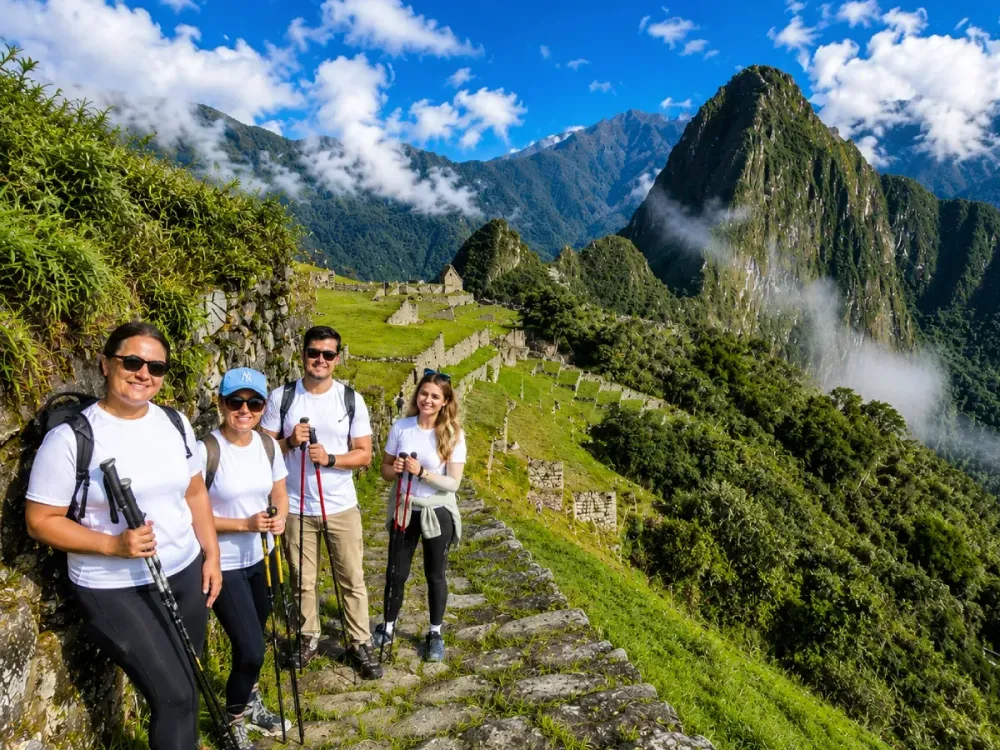
Is the 1 Day Inca Trail easier?
The 1 Day Inca Trail follows the short route from Km 104 but concentrates the hiking experience into a single day.
That creates an interesting difference: you walk for fewer days, but the pace can feel more intense.
You do not face the accumulated fatigue of a four-day trek, but you should still be comfortable walking for several hours and tackling uphill sections during a long day.
For travelers with limited time and a good basic fitness level, it can be an excellent way to experience part of the historic Inca Trail.
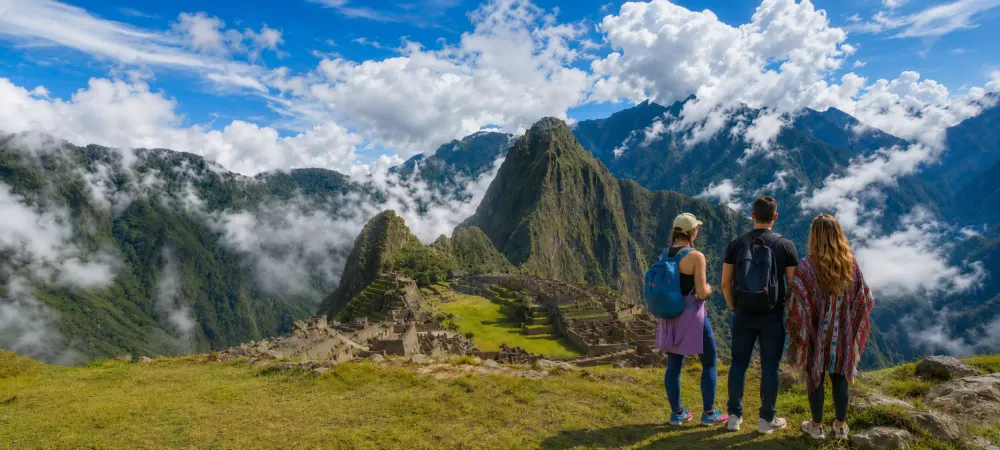
What fitness level do you need for the Inca Trail?
You do not need elite fitness to hike the Inca Trail.
A useful fitness level for the Inca Trail means being comfortable walking for several hours and having enough leg strength and endurance for repeated climbs and descents.
Before traveling, activities such as these can help:
- Long walks.
- Hiking on hills.
- Climbing stairs.
- Walking on uneven terrain.
- Moderate cardio exercise.
- Training with consecutive active days.
You do not need to turn your preparation into an athlete's training program. The goal is simply to arrive with a body that is already familiar with sustained walking.
We explain this in more detail in how to prepare physically for the Inca Trail.
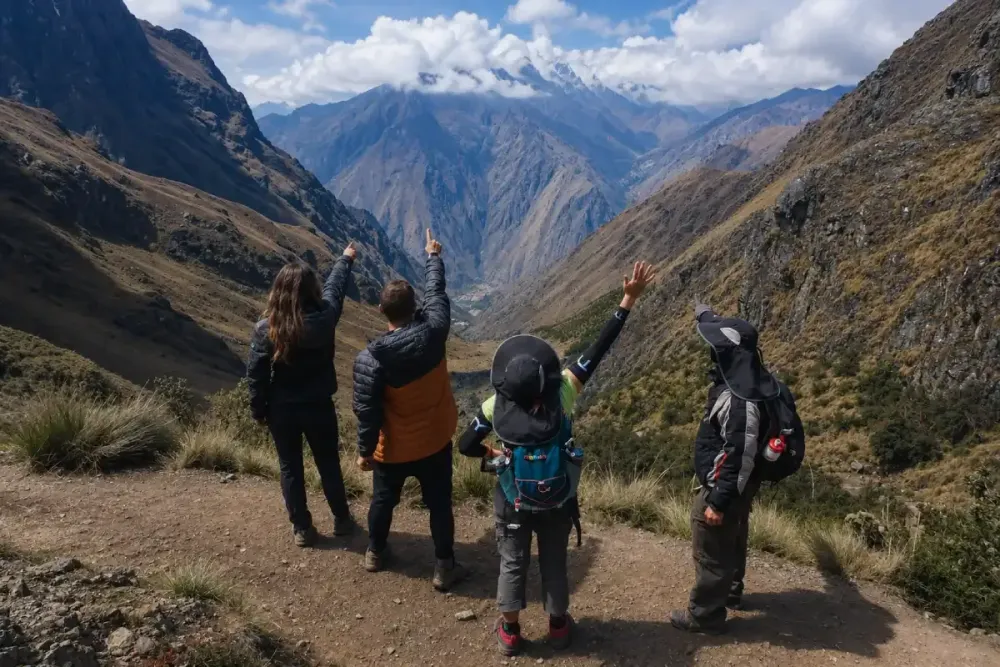
Does altitude make the Inca Trail harder?
Yes. Altitude is an important part of Inca Trail difficulty.
The Classic Inca Trail reaches approximately 4,200 meters at Dead Woman's Pass. At this elevation, walking can feel harder even for travelers who are normally very active.
Fitness and altitude are not the same thing. Being physically fit does not guarantee that you will immediately feel comfortable at high elevation.
For that reason, arriving in Cusco before the trek and giving your body time to adjust is an important part of preparation.
You can learn more in our guide to Inca Trail altitude.
Can beginners hike the Inca Trail?
Yes. The Inca Trail for beginners is possible with the right expectations and preparation.
If you are active but have never completed a multi-day trek, the Short Inca Trail 2 Days may be a more comfortable introduction.
For the Classic Inca Trail, you should feel comfortable walking several hours on consecutive days and understand that the experience includes altitude, camping, stone stairs and significant changes in elevation.
Previous trekking experience helps, but preparation, pacing and acclimatization are equally important.
Which Inca Trail should you choose based on difficulty?
Choose the 1 Day Inca Trail if you have limited time, good basic fitness and prefer to concentrate the hike into a single day.
Choose the Short Inca Trail 2 Days if you want a more manageable trekking experience, a hotel stay and a historic approach to Machu Picchu.
Choose the Classic Inca Trail 4 Days if you want the complete adventure and are prepared for several days of hiking, camping and altitude.
The difficulty of the Inca Trail should not automatically discourage you from doing it. It should help you choose the route that matches your fitness, available time and travel style.
Once you know which option is right for you, check Inca Trail availability 2026 and 2027 and start planning your trek to Machu Picchu.
Personal travel advice
Plan your trip with Dreamy Tours
Start a tailored journey with our exclusive tours and custom trips across Peru and other Latin American countries.