Search the blog
Tabla de contenidos
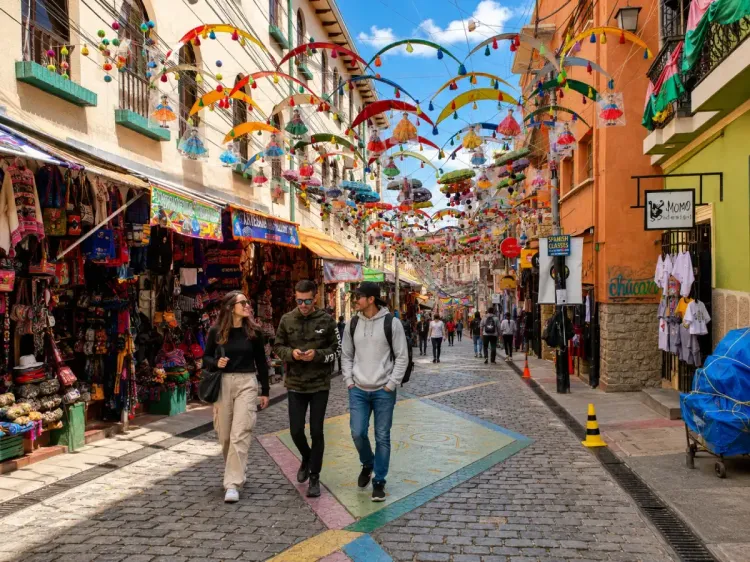
The best time to visit Bolivia depends on where you want to go. Weather conditions vary considerably between La Paz, Lake Titicaca, the Uyuni Salt Flats, Sucre, Tarija and the Bolivian Amazon.
For many travelers, the dry season from May to October is an excellent time to explore the country. However, the rainy season also offers unique experiences, especially if seeing the famous mirror effect at Uyuni is one of your priorities.
Rather than choosing one perfect month, it is better to plan your trip around the regions you want to visit.
When is the best time to visit Bolivia?
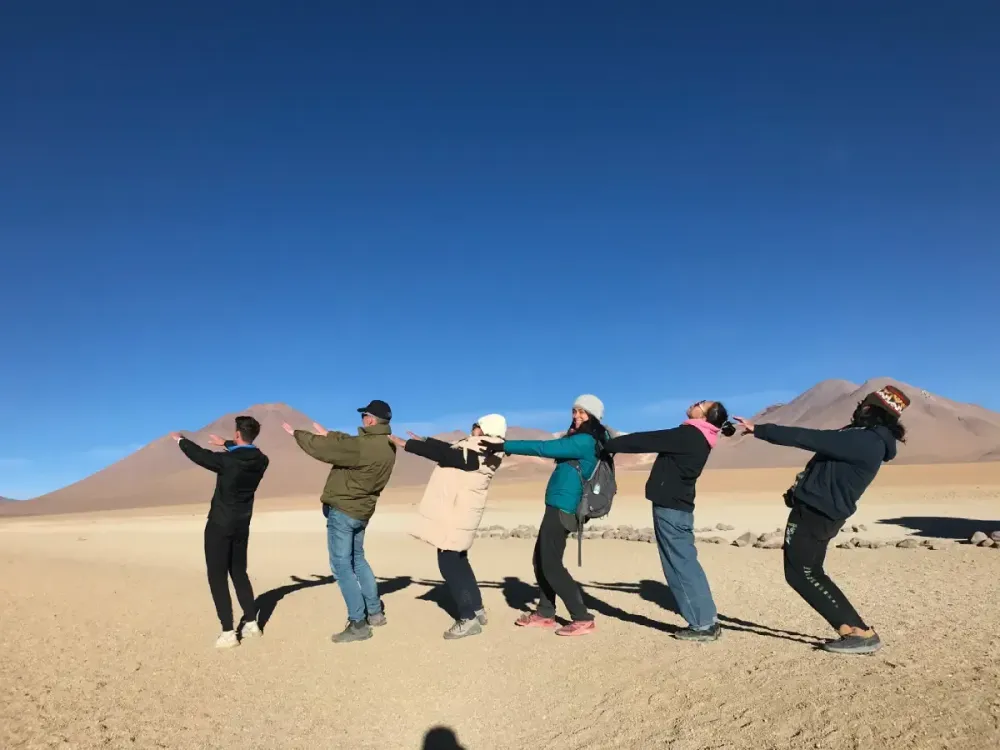
For a classic Bolivia itinerary covering the Altiplano, La Paz, Lake Titicaca and Uyuni, May through October generally offers favorable conditions.
These months bring less rainfall across much of the highlands and are popular for overland travel and outdoor sightseeing.
As a simple guide:
- May to October: dry season and excellent for the Altiplano.
- November to March: rainy season.
- April and November: transition months with changing conditions.
If this is your first visit, read Bolivia Travel Guide: What to Know Before Your First Trip before building your route.
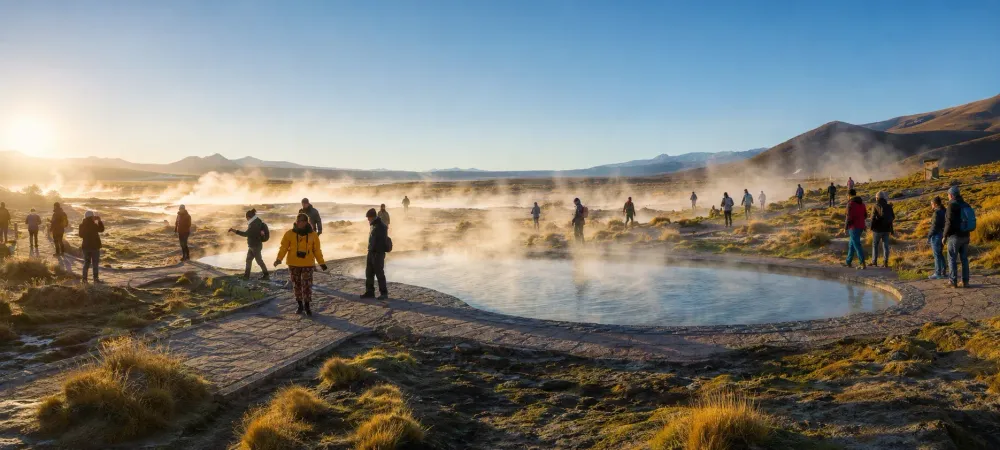
Bolivia dry season: May to October
The Bolivia dry season is one of the most popular periods for exploring the country.
La Paz, Lake Titicaca and the Altiplano generally experience clearer skies and less rainfall, making it easier to combine several destinations.
This is a good season for visiting:
- La Paz
- Copacabana
- Isla del Sol
- Uyuni Salt Flats
- Potosí
- Sucre
- Tiwanaku
The main consideration is temperature.
June, July and August can be particularly cold at night and early in the morning, especially at higher elevations.
If your itinerary covers several regions, our What to Pack for Bolivia guide will help you prepare for changing temperatures.
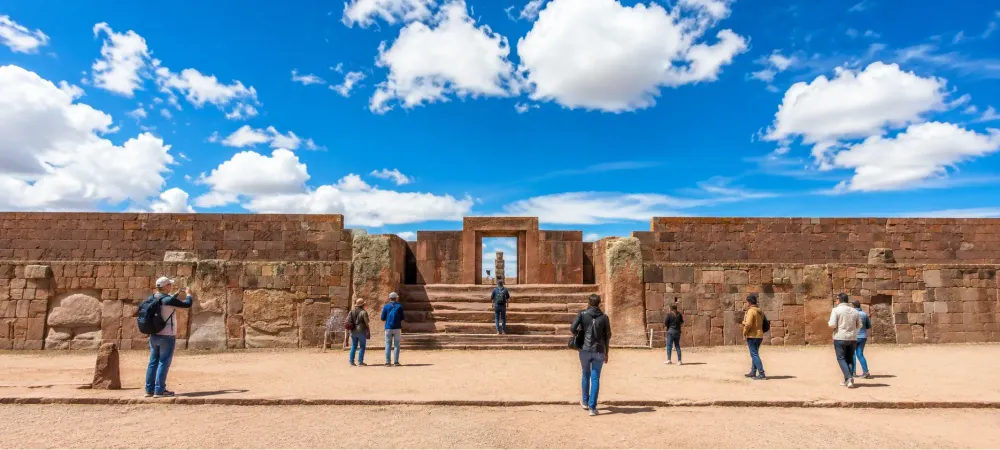
Bolivia rainy season: November to March
The Bolivia rainy season brings greener landscapes and more unpredictable weather.
Rainfall can affect roads and outdoor activities in some areas, so having a flexible itinerary is useful.
However, this season is especially interesting for travelers heading to Uyuni.
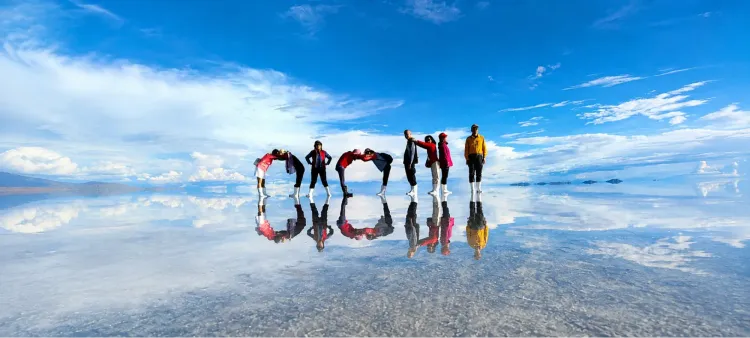
During the wetter months, a shallow layer of water can cover parts of the salt flats and create the famous mirror effect.
January, February and March are often among the most sought-after months for travelers hoping to experience this landscape.
Read our Best Time to Visit Uyuni Salt Flats guide if the mirror effect is one of the main reasons for your trip.
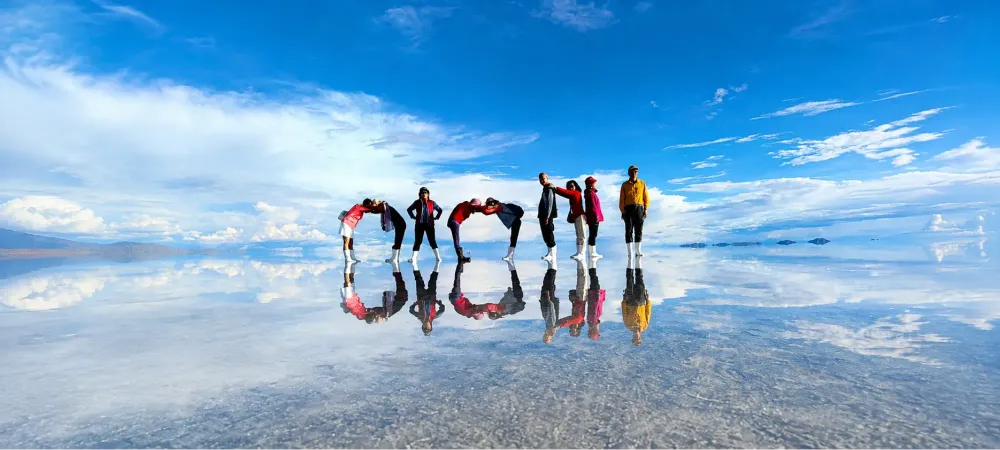
Best time to visit La Paz and Lake Titicaca
May through October is generally a great period for visiting La Paz and Lake Titicaca.
Days are often sunny and dry, while temperatures drop considerably after sunset.
June through August can be especially cold, so warm layers are important.
If you prefer slightly milder conditions, April, May, September and October can also be attractive months for traveling through this part of Bolivia.
La Paz and Lake Titicaca can be combined naturally within our Bolivia Explorer 9 Days itinerary.

Best time to visit the Uyuni Salt Flats
The answer depends on the landscape you want to see.
For the classic white salt desert and geometric salt patterns, the dry season is generally the better choice.
If you want the possibility of seeing the mirror effect, travel during the rainy season, especially between January and March.
Both experiences are worth seeing. They simply show two very different versions of Uyuni.
Before deciding, you can also read our **Uyuni Salt Flats Travel Guide** for information about routes, duration and what to expect.Best time to visit Sucre and Potosí
Sucre and Potosí can be included in a Bolivia itinerary throughout much of the year.
The dry months from April or May through October are particularly convenient for sightseeing and traveling between destinations.
Sucre generally has a milder climate than the high Altiplano, while Potosí is colder because of its elevation.
Combining these cities with Uyuni creates a good balance between history, culture and natural landscapes.
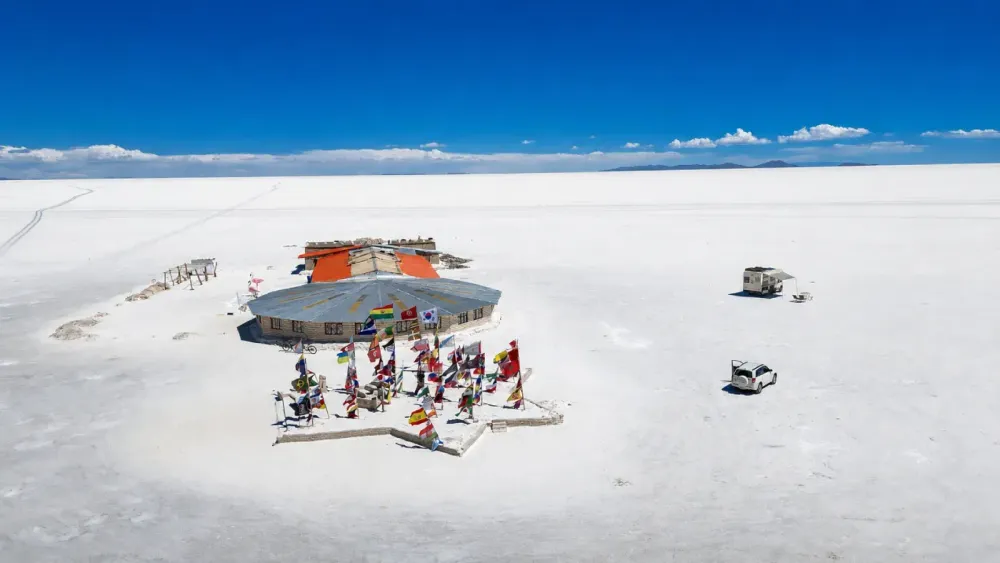
Best time to visit Sucre and Potosí
Sucre and Potosí can be included in a Bolivia itinerary throughout much of the year.
The dry months from April or May through October are particularly convenient for sightseeing and traveling between destinations.
Sucre generally has a milder climate than the high Altiplano, while Potosí is colder because of its elevation.
Combining these cities with Uyuni creates a good balance between history, culture and natural landscapes.

When to visit the Bolivian Amazon
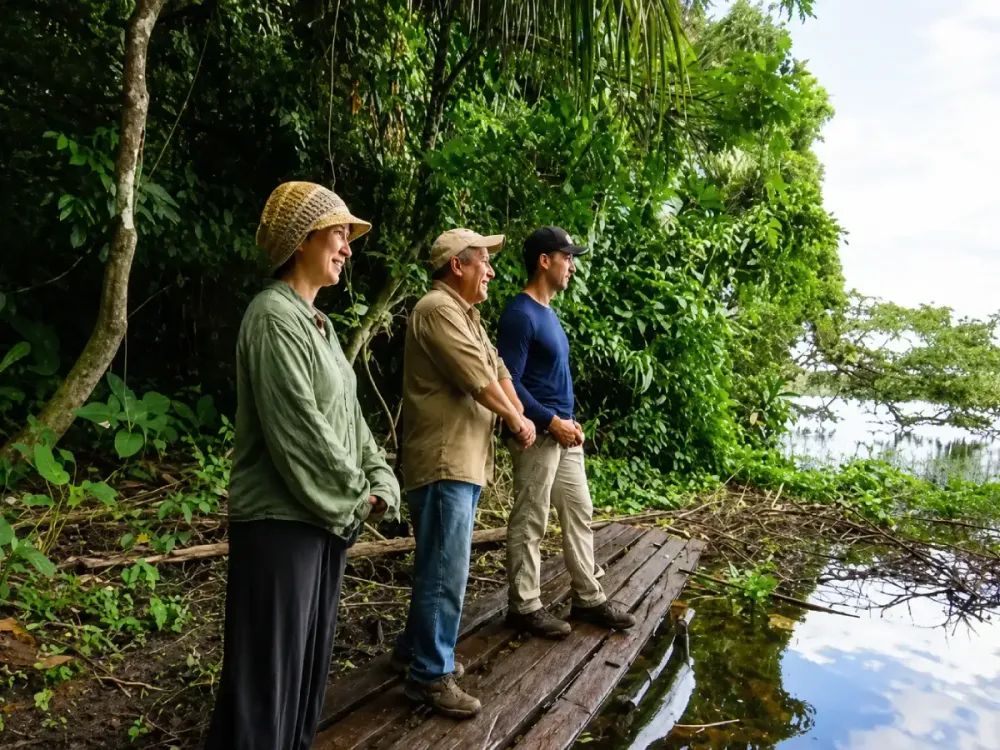
The Bolivian Amazon has a completely different climate from La Paz and Uyuni.
Areas around Rurrenabaque are warmer, more humid and influenced by tropical rainfall.
The drier months generally make outdoor activities and transportation easier, while the rainy season brings greener landscapes but can also affect some excursions.
If your itinerary combines the Amazon and the Altiplano, pack for two very different environments.
Bolivia weather by month: a simple guide
You do not need to study twelve separate weather forecasts before booking your trip.
A simple overview is enough:
January to March
Rainy season across much of Bolivia. A popular period for travelers hoping to see the Uyuni mirror effect.
April and May
Transition toward drier conditions. Good months for combining several regions.
June to August
Dry season with generally clear days, but cold mornings and nights across the Altiplano.
September and October
Excellent months for traveling around Bolivia, with dry conditions and gradually warmer temperatures.
November and December
Rainfall begins to increase again and landscapes start changing as the wet season approaches.
What is the best month to visit Bolivia?
For a general trip, May, September and October offer an excellent balance between dry conditions and comfortable travel.
June through August are also very good months if you are prepared for colder temperatures.
If seeing the Uyuni mirror effect is your priority, January through March may be a better choice.
A simple way to decide is:
La Paz and Altiplano → May to October
White Uyuni Salt Flats → May to October
Uyuni mirror effect → January to March
Bolivian Amazon → generally better during the drier months
Ultimately, the best time to visit Bolivia depends on the experiences you want to include.
If you want to connect La Paz, Lake Titicaca, Uyuni, Sucre, Potosí and other highlights in one journey, explore Bolivia Explorer 9 Days or discover our complete collection of Bolivia Tours.
Personal travel advice
Plan your trip with Dreamy Tours
Start a tailored journey with our exclusive tours and custom trips across Peru and other Latin American countries.